A physical data center relocation concentrates many operational dependencies into a short execution window. Equipment must be identified correctly, released in the approved sequence, protected during handling, documented through every […]


A physical data center relocation concentrates many operational dependencies into a short execution window. Equipment must be identified correctly, released in the approved sequence, protected during handling, documented through every […]
Data center migration can describe several different projects. It may refer to moving applications to the cloud, transferring workloads between environments, consolidating infrastructure, or physically relocating servers and network equipment.
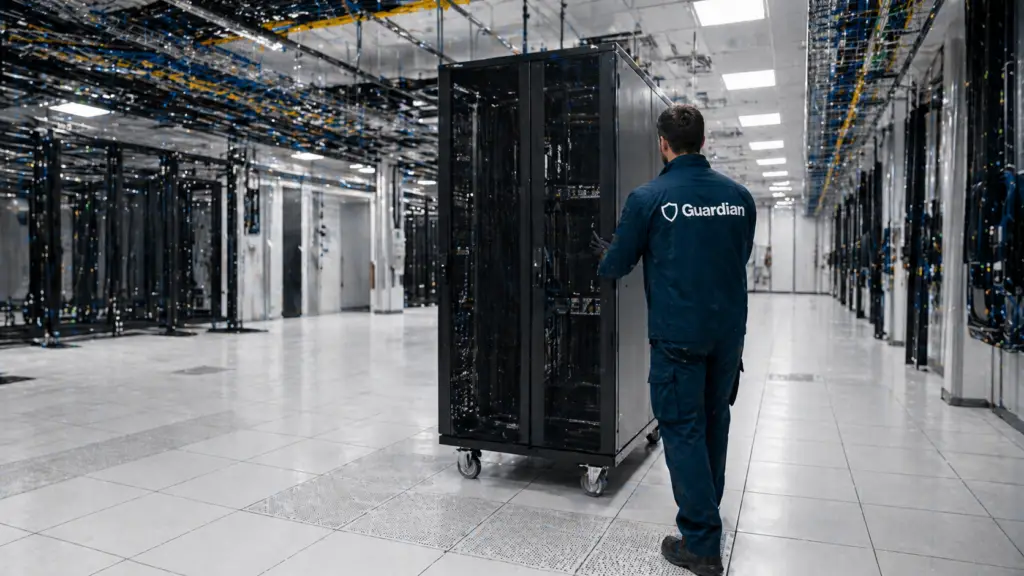
Data centers are constantly evolving. Hardware reaches the end of its life cycle, organizations migrate workloads to the cloud, facilities consolidate, and infrastructure is modernized to support new technologies. Every

AI isn’t just a software story anymore. It’s a physics problem. New GPU platforms are pushing rack densities above 100 kW per rack, with roadmaps that point toward 200 kW,

AI and ML workloads have changed the physics of the data center. Racks that once ran comfortably at 5–10 kW are now climbing toward 50 kW and beyond. For next-generation
Analysts now project the data center liquid cooling market to reach roughly $27.1B by 2035, growing more than 18% annually, driven largely by AI accelerators and ultra-dense racks. At the same time, broader data center cooling
AI and high-performance computing (HPC) are rewriting the rules of data center design. Power densities that used to look exotic are now table stakes, and traditional air-cooled white space is
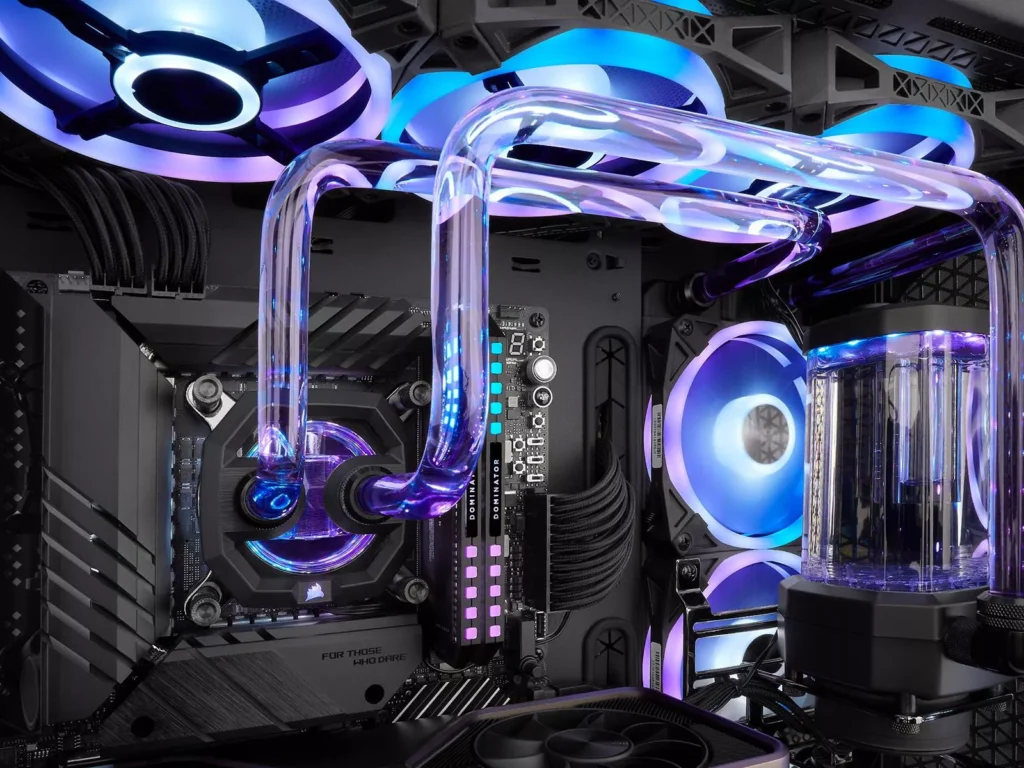
Everyone is suddenly a “liquid cooling expert.” AI and GPU demand are exploding, and the data center liquid cooling market is forecast to grow at more than 20–30% CAGR this
From Air-Only to Liquid-Ready: A Practical Roadmap for Your Data Center For most operators, the liquid cooling question isn’t “if” anymore; it’s “how fast can we get there without breaking